Source oxidative degradable pc led diffuser for Offices, Homes, Hotels
Compare 30 listings for the oxidative degradable pc led diffuser suitable for offices, homes, and hotels. Buyers can evaluate specifications like wattage, voltage, and material options from verified suppliers in Guangdong, China.
Key considerations
Products List




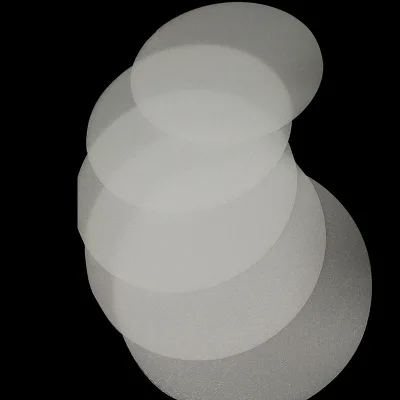
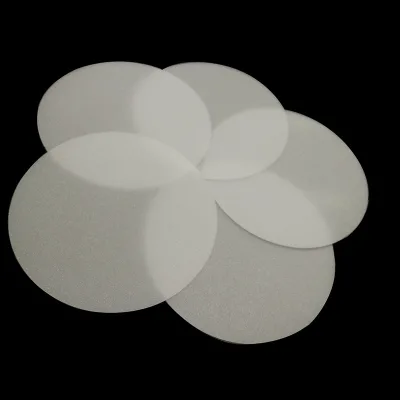



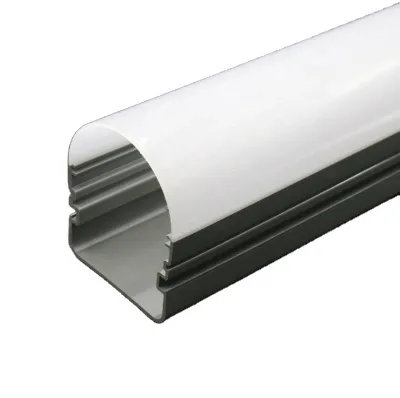


Comprehensive Sourcing Guide
Strategic Sourcing Guide for Oxidative Degradable PC LED Diffusers
Understanding Material Composition and Oxidative Degradation Mechanisms
When sourcing an oxidative degradable PC (Polycarbonate) LED diffuser, the primary objective is to balance optical performance with end-of-life environmental compliance. The core material in question, Polycarbonate, is frequently identified in the supply chain under trade names such as PMMA, PC, or PS, depending on the specific polymer blend or additive package used by the manufacturer. In the context of the provided market data, the material specification explicitly lists "PMMA/PC/PS" as available cover materials. This indicates that a buyer must carefully distinguish between standard Polycarbonate and variants engineered with oxidative degradation additives.
Oxidative degradation in plastics typically involves the incorporation of pro-oxidant metal salts that accelerate the breakdown of the polymer chain when exposed to heat, light, and oxygen. For an LED diffuser, this process must be controlled so that the material retains its structural integrity and light transmission properties throughout the product's intended service life, which often spans several years. The supplied facts indicate a material thickness range of 0.5mm to 1.5mm. This dimension is critical for diffusers, as it directly influences the light scattering efficiency and the mechanical strength required to withstand installation stresses.
Buyers should verify that the "PC" designation in the supplier's datasheet specifically refers to a formulation capable of oxidative degradation, rather than a standard impact-resistant grade. Standard PC is known for its durability and resistance to environmental stress cracking, which is the opposite of the degradation profile required for eco-friendly disposal. The presence of "PMMA" (Acrylic) in the material list suggests that some suppliers may offer hybrid solutions or alternative acrylic-based diffusers that also claim degradability. It is essential to request a material safety data sheet (MSDS) or a specific technical data sheet that outlines the degradation timeline and the specific additives used. Without explicit confirmation, a "PC" label alone does not guarantee oxidative degradable properties.
Optical Performance and Technical Specifications
The functional requirement for an LED diffuser is to transform the harsh point-source light of an LED into a uniform, glare-free illumination. The supplied product attributes highlight a "Modern simplism style" with a "White" color finish, which is standard for maximizing light output and maintaining a clean aesthetic in commercial settings. The light source is confirmed as "LED," and the wattage ranges from 10W to 40W, indicating compatibility with a wide spectrum of LED driver outputs.
A critical technical parameter for diffusers is the scattering efficiency, often correlated with the material's refractive index and surface texture. While the provided data does not explicitly state the light transmission percentage (LTP), the use of "Acrylic" or "PMMA/PC" suggests high transparency. The standard size options listed (600/850/1200/1450/1800/2400mm) align with common ceiling grid dimensions, particularly the 600mm and 1200mm sizes which are ubiquitous in conference rooms and office environments. The "Display Size" is noted as customizable, allowing for bespoke solutions in non-standard architectural applications.
The thickness range of 0.5mm to 1.5mm is a significant variable. Thinner sheets (0.5mm) may offer higher light transmission but could be prone to sagging or warping under thermal load, especially in high-wattage applications. Thicker sheets (1.5mm) provide better structural rigidity and potentially better light diffusion due to increased volume for light scattering, but may slightly reduce overall luminous efficacy. Buyers must evaluate the specific wattage of their LED fixtures against the diffuser thickness to ensure thermal stability. The "Folded: Unfolded" attribute suggests that some diffusers may be supplied in a rolled or folded state for shipping, which requires careful handling to avoid permanent creasing that could disrupt light uniformity.
Compliance, Certification, and Regulatory Standards
Navigating the regulatory landscape for lighting components is a paramount concern for B2B procurement. The supplied facts explicitly mention "SAA" and "CE" certifications, alongside "RoHS." These are non-negotiable markers for market access in many regions. SAA certification is particularly relevant for the Australian market, indicating compliance with Australian electrical safety standards. CE marking signifies conformity with health, safety, and environmental protection standards for products sold within the European Economic Area.
RoHS (Restriction of Hazardous Substances) is especially pertinent when discussing oxidative degradable materials. The inclusion of heavy metal pro-oxidants for degradation must be scrutinized to ensure they do not violate RoHS limits on lead, mercury, cadmium, and other restricted substances. While the data confirms "RoHS" as a certification, buyers must verify that the specific oxidative degradation additives used in the PC formulation are compliant. Some degradation technologies rely on transition metals that might exceed permissible limits in certain jurisdictions.
The standard size and thickness specifications provided (e.g., 1200x68x80mm for the product standard, 0.5MM-1.5MM thickness) serve as a baseline for dimensional compliance. However, buyers should not assume that all listed products meet these exact dimensions without verification. The "Customization: Available" attribute implies that deviations from standard sizes are possible, which may require re-evaluation of certification coverage. If a diffuser is customized to a non-standard size, the certification (CE/SAA) may only apply to the standard model, and the customized version might require a separate test report or a declaration of conformity.
Furthermore, the "UL94" standard is mentioned in the low-confidence background. UL94 is the standard for flammability of plastic materials. While the confidence level is low in the provided text, it is a critical standard for LED applications due to the heat generated by the light source. Buyers should explicitly request UL94 flammability ratings (e.g., V-0, V-1, V-2) from the supplier to ensure the diffuser will not contribute to fire spread in the event of an electrical fault. Relying solely on the "CE" mark is insufficient for verifying fire safety in North American markets or for high-risk commercial installations.
Cost Drivers and Economic Factors in Procurement
The economic landscape for sourcing oxidative degradable PC LED diffusers is influenced by several distinct factors. The observed price range in the market is 0.05 to 50.5 USD, a vast disparity that reflects differences in material quality, thickness, certification depth, and order volume. The lower end of this range likely corresponds to standard, non-degradable PC or acrylic sheets in minimal thickness, while the higher end may encompass custom-engineered, certified, and thicker oxidative degradable variants.
The Minimum Order Quantity (MOQ) ranges from 1 to 6000 units. This flexibility allows buyers to test the market with small samples (MOQ 1) before committing to large-scale production runs. However, the unit price is heavily dependent on the volume. For oxidative degradable materials, the cost of the pro-oxidant additives and the specialized manufacturing process can drive up the base cost compared to standard plastics. Buyers should anticipate a higher price per unit for certified degradable products compared to generic diffusers.
Lead time is another critical cost driver. The supplied data indicates a lead time of 5-7 working days, which is relatively short and suggests a responsive supply chain. However, this timeline may apply only to standard stock items. Customization of size, thickness, or specific degradation profiles could extend the lead time significantly. The "Transport Package: Normal Package" and "Color Box" options also influence logistics costs. Bulk shipping in corrugated boxes (as noted in the packing details) is generally more cost-effective than individual retail packaging for large B2B orders.
The "Supplier Type: OEM/ODM" designation indicates that many manufacturers are willing to customize the product for the buyer. While this offers flexibility, it can introduce hidden costs related to tooling, mold fees, and engineering time. Buyers must clarify whether the quoted price includes the cost of developing a custom mold or if it is a surcharge on top of standard production. The "Selling Units: Single item" attribute suggests that some suppliers operate on a per-unit basis, which can be inefficient for large projects unless volume discounts are negotiated.
Typical Applications and Environmental Context
The versatility of the oxidative degradable PC LED diffuser is evident in the listed "Applicable Places," which include "Conference Room," "Hotel," and "Home." These environments demand high-quality, uniform lighting that minimizes glare and creates a comfortable atmosphere. The "Modern simplism style" aligns well with contemporary interior design trends in corporate and hospitality sectors. The "Portable" and "Tabletop" attributes found in the related product data (humidifiers) suggest that the technology for lightweight, durable diffusers can be adapted for various form factors, though the primary application for the PC diffuser remains fixed ceiling installations.
The environmental context is the primary driver for selecting oxidative degradable materials. Traditional plastic waste, including PC and acrylic, persists in landfills for centuries. By specifying an oxidative degradable PC diffuser, buyers can contribute to waste reduction initiatives and meet corporate sustainability goals. The "Usage: Car, Home, Industry" and "Hotel, Home" tags highlight the broad applicability of these materials across different sectors. In the automotive and industrial sectors, the ability to degrade under specific conditions can simplify recycling processes or reduce the environmental impact of disposal.
However, buyers must be cautious about the "Usage" claims. The oxidative degradation process often requires specific environmental conditions (e.g., exposure to UV light, heat, or oxygen) to initiate. In a dark, airtight landfill, the degradation may not occur as rapidly as advertised. Therefore, the procurement strategy should focus on the intended lifecycle of the product and the disposal infrastructure available in the target market. For instance, in regions with advanced recycling or composting facilities, the benefits of oxidative degradation are maximized.
Supplier Evaluation and Quality Control Protocols
Evaluating suppliers for oxidative degradable PC LED diffusers requires a rigorous approach to quality control. The "Supplier Type: OEM/ODM" status implies that the buyer may be working directly with the manufacturer or a specialized agent. The "Samples: Request Sample" attribute is a crucial first step in the evaluation process. Buyers should always request physical samples to verify the material's optical properties, thickness consistency, and the presence of any visible defects or discoloration.
Quality control should extend beyond visual inspection. Buyers must verify the "Certification: SAA, CE, RoHS" claims through independent testing reports. The "Standard Size" and "Thickness" specifications should be measured using calibrated tools to ensure they fall within the 0.5mm to 1.5mm range and the listed standard dimensions. The "Production Standard" of 1200x68x80mm serves as a reference, but deviations for custom orders must be documented and approved.
The "Lead Time: 5-7 Working Days" suggests a lean production process, but buyers should confirm if this timeline includes quality assurance checks. A robust quality control protocol should include batch testing for light transmission, color rendering index (CRI), and flammability. The "No Water Shortage Power-off Protection" and "Dry-Run Protection" attributes in the related product data highlight the importance of safety features, which, while not directly applicable to the diffuser, indicate a supplier's attention to detail in their product lines.
Buyers should also assess the supplier's capacity for customization. The "Model Number: Customize" and "Display Size: Customizable" attributes suggest flexibility, but the supplier must demonstrate the ability to maintain quality standards during customization. The "Transport Package: Normal Package" and "Corrugated Box" options should be evaluated for their ability to protect the diffusers during transit, as scratches or cracks can ruin the optical performance.
Long-Term Procurement and Lifecycle Management
Long-term procurement of oxidative degradable PC LED diffusers involves more than just the initial purchase; it requires a strategy for lifecycle management and supply chain stability. The "Customization: Available" feature allows for future-proofing, enabling buyers to adapt to changing architectural standards or sustainability regulations without switching suppliers. However, this reliance on customization can create supply chain vulnerabilities if the supplier's proprietary additives or processes are not standardized.
Buyers should establish long-term contracts that include provisions for regular quality audits and material verification. As environmental regulations evolve, the definition of "oxidative degradable" may change, and suppliers must be able to adapt their formulations accordingly. The "Trademark: Rina-Tech" and "Place of Origin: Guangdong, China" provide traceability, which is essential for maintaining accountability in the supply chain.
The "Wattage" range of 10-40W and the "Voltage: 220V" specification indicate compatibility with standard global electrical systems, but buyers should verify compatibility with local voltage standards (e.g., 110V vs. 220V) if the project spans multiple regions. The "Timing Function" and "Humidity Control" attributes in related products suggest that the supplier may have expertise in integrating smart features, which could be relevant for future LED systems with advanced controls.
Finally, the "Samples: Request Sample" and "Selling Units: Single item" options facilitate a low-risk entry into the market. Buyers should leverage these options to build a library of test data and performance benchmarks. By maintaining a continuous dialogue with the supplier regarding material composition and certification status, buyers can ensure that their procurement strategy remains aligned with both technical requirements and sustainability goals. The observed price range and MOQ flexibility provide a solid foundation for scaling operations, provided that quality and compliance remain the top priorities throughout the procurement lifecycle.
FAQs
What certifications do oxidative degradable pc led diffusers have?
These diffusers carry SAA, CE, and RoHS certifications. Buyers must verify that specific degradation additives do not violate RoHS limits on restricted substances like lead or mercury.
Which standard sizes are available for these LED diffusers?
Standard sizes include 600, 850, 1200, 1450, 1800, and 2400mm lengths. Customizable display sizes are also available for non-standard architectural applications.
Can I request samples before placing a bulk order?
Yes, samples are available upon request. This allows buyers to test material quality and degradation profiles before committing to large-scale production runs.
What is the typical lead time for these products?
The lead time is typically 5 to 7 working days. This timeline applies to standard stock items, while customizations may extend the delivery schedule.
How thick are the available PC diffuser sheets?
The material thickness ranges from 0.5mm to 1.5mm. Thicker sheets offer better structural rigidity, while thinner options provide higher light transmission.
Where are these diffusers manufactured and shipped from?
Products originate from Guangdong, China. The shipping package is typically a normal package or color box depending on the specific order requirements.